
What Is Branding? The Hidden Power That Turns Businesses into Icons
Why do people proudly wear Nike shoes, line up overnight for Apple products, or choose Starbucks even when cheaper options exist?
The answer is branding.
Branding is not just a logo, a colour, or a slogan. Branding is the emotional connection between a business and its audience. It is the reason people trust, remember, and choose one brand over another—even when products are similar.
In today’s crowded market, branding is the difference between being noticed and being forgotten.
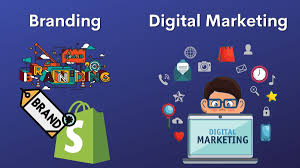
Branding: More Than a Name or Logo
Many people believe branding means designing a logo or choosing brand colors. In reality, branding is much deeper. It is the experience, perception, and promise a brand delivers every time someone interacts with it.
Branding is:
-
How your brand looks
-
How your brand sounds
-
How your brand feels
-
How your brand is remembered
Simply put:
A brand is not what you say it is. A brand is what people believe it is.
The Psychology Behind Branding
Humans make decisions emotionally first and logically later. Strong branding works because it speaks directly to emotions such as trust, pride, happiness, confidence, and belonging.
When customers feel emotionally connected to a brand, they:
-
Trust it more
-
Pay higher prices without hesitation
-
Recommend it to others
-
Stay loyal for years
Branding creates familiarity, and familiarity creates trust. This psychological bond is what transforms customers into brand advocates.
Core Elements That Shape a Powerful Brand
Successful branding is built on several key elements that work together consistently.
1. Brand Identity
This includes the brand name, logo, colors, typography, and overall design. A strong visual identity makes a brand instantly recognizable.
2. Brand Voice and Personality
Every brand has a personality—bold, friendly, premium, inspiring, or professional. This personality reflects in messaging, ads, and communication.
3. Brand Values and Purpose
Modern consumers support brands that stand for something meaningful. Clear values create authenticity and emotional connection.
4. Brand Promise
A brand promise is what customers expect every time they interact with the brand. Consistently delivering on this promise builds trust.
5. Customer Experience
From website navigation to customer support, every touchpoint shapes branding. Great experiences strengthen brand perception.
Why Branding Is a Business Superpower
Branding is not an expense—it is an investment. Businesses that prioritize branding enjoy long-term advantages.
1. Instantly Builds Recognition
Strong branding ensures customers recognize your business within seconds.
2. Creates Trust and Authority
Professional branding makes a business look reliable, credible, and established.
3. Differentiates You From Competitors
When products look similar, branding becomes the deciding factor.
4. Builds Emotional Loyalty
Customers don’t just buy—they belong. Emotional loyalty drives repeat sales.
5. Increases Business Value
Strong brands are assets. They attract investors, partnerships, and premium pricing.
Types of Branding That Shape Success
Different branding strategies serve different purposes:
Product Branding
Focuses on individual products, their packaging, positioning, and messaging.
Corporate Branding
Represents the company’s identity, culture, and reputation as a whole.
Personal Branding
Builds an individual’s authority and influence. Entrepreneurs and creators use it to grow trust and opportunities.
Digital Branding
Strengthens brand presence online through websites, social media, content, and reputation management.
Branding in the Digital Age: Where Influence Is Built
Today, branding happens 24/7 online. A brand’s digital presence is often the first impression.
Digital branding includes:
-
Website design and storytelling
-
Social media tone and engagement
-
Content marketing and videos
-
Online reviews and brand reputation
Consistency across digital platforms creates credibility. One weak platform can damage the entire brand image.
Branding vs Marketing: A Critical Difference
Many businesses focus only on marketing and ignore branding. This is a costly mistake.
-
Branding defines who you are.
-
Marketing communicates that identity.
Without branding, marketing becomes noise. With branding, marketing becomes influence.
Think of branding as the foundation and marketing as the amplifier.
How Iconic Brands Are Built
Strong brands are not built overnight. They are built through clarity, consistency, and commitment.
Key steps include:
-
Understanding your audience deeply
-
Defining a clear brand purpose
-
Creating a consistent visual and verbal identity
-
Delivering value at every touchpoint
-
Building trust over time
Every interaction is an opportunity to strengthen or weaken your brand.
Common Branding Mistakes That Destroy Trust
Many businesses fail not because of bad products, but because of weak branding.
Avoid these mistakes:
-
Inconsistent messaging and visuals
-
Copying competitors instead of being original
-
Ignoring customer feedback
-
Overpromising and underdelivering
-
Neglecting online reputation
Brand trust is fragile—once broken, it is hard to rebuild.
The Future of Branding
The future of branding is human, authentic, and purpose-driven. Customers no longer connect with faceless companies—they connect with stories, values, and transparency.
Brands that listen, adapt, and care will lead the future.
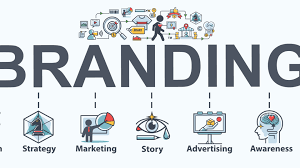
Conclusion: Branding Is Influence
Branding is not about being famous. It is about being trusted, remembered, and chosen.
In a world full of options, branding is what makes people choose you—not once, but again and again.
If marketing makes you visible, branding makes you unforgettable.